Understanding Women-Specific Addiction Treatment Resources in Malibu, CA
In the serene coastal town of Malibu, CA, women-specific addiction treatment resources offer a compassionate and tailored approach to recovery. Recognizing the unique experiences and challenges that women face in their journeys toward sobriety is crucial in addressing their needs effectively. From trauma-informed care to programs designed specifically for mothers and pregnant women, these resources aim to create a safe and nurturing environment for healing and growth. In this article, we will explore the importance of gender-specific treatment, the various programs available, and local resources that empower women on their path to recovery.
Why Gender-Specific Treatment Matters
Gender-specific treatment matters because it acknowledges the different social, emotional, and psychological factors that impact women's experiences with addiction. Women often face unique challenges, including societal expectations, trauma, and relationship dynamics, that can complicate their recovery process. By offering programs tailored to women's needs, treatment facilities can create an environment that fosters understanding, openness, and connection among participants.
Trauma-Informed Care
Many women struggling with addiction have experienced trauma, whether through domestic violence, sexual abuse, or other distressing life events. Trauma-informed care is a vital component of women-specific treatment. It emphasizes safety, empowerment, and healing, allowing women to address their past experiences while working on their addiction. This approach helps to build trust between clients and providers, fostering a supportive atmosphere conducive to recovery.
Programs for Pregnant Women and Mothers
Addressing the needs of pregnant women and mothers in recovery is essential, as they face additional challenges related to their roles as caregivers. Specialized programs are available in Malibu that focus on:
- Safe and supportive environments: These programs provide a nurturing space for women to navigate their recovery while ensuring the health and safety of their unborn children.
- Parenting education: Women can learn effective parenting skills, helping them strengthen their relationships with their children and breaking the cycle of addiction.
- Access to prenatal care: Comprehensive care ensures that both mother and child receive the necessary medical attention during this critical time.
Addressing Co-Occurring Issues
Many women face co-occurring issues that can hinder their recovery journey, such as:
- Domestic violence: Programs in Malibu often incorporate resources for women escaping abusive relationships, providing support and safety planning.
- Eating disorders: Specialized treatment options address the intersection of addiction and disordered eating, focusing on holistic recovery.
- PTSD: Trauma-informed therapy can help women process their experiences and develop healthy coping mechanisms, essential for long-term recovery.
Children in Recovery
Recognizing the impact of addiction on children is an important aspect of women-specific treatment. Many programs in Malibu provide:
- Family therapy: This approach helps mothers repair and strengthen their relationships with their children while addressing the underlying issues of addiction.
- Support for children: Children of women in recovery may have their own emotional needs, and programs often include resources for them to process their feelings in a safe and nurturing environment.
Women's Sober Living Homes
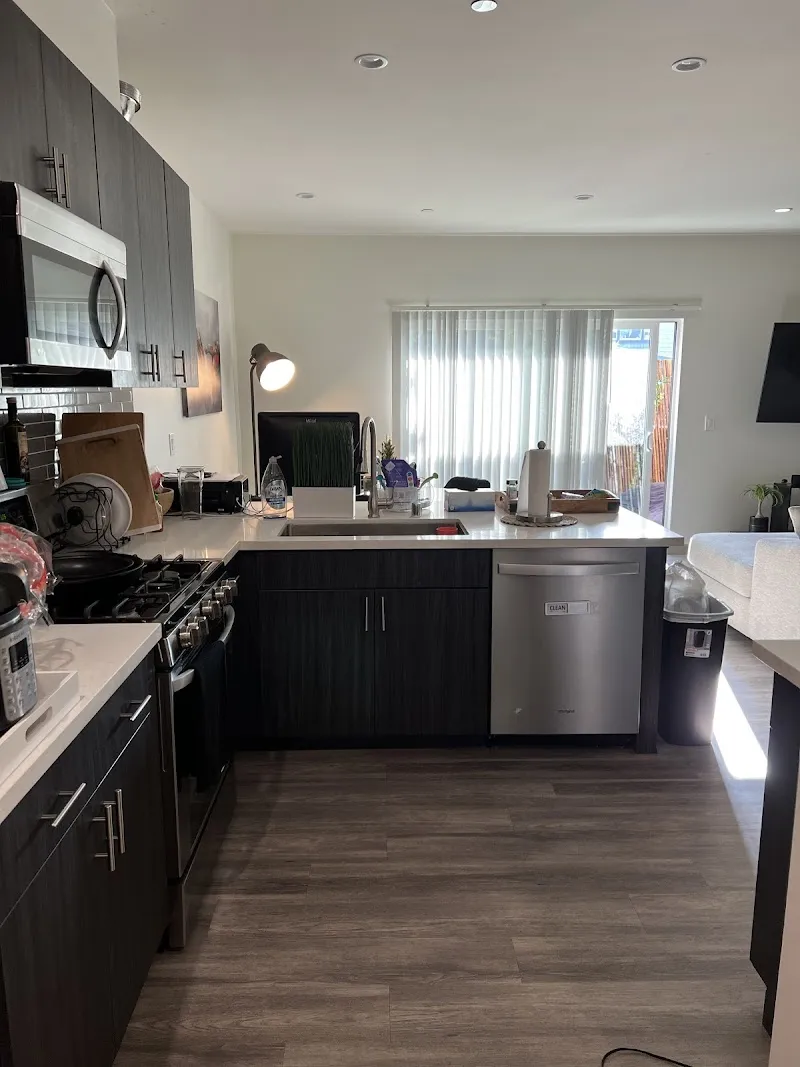
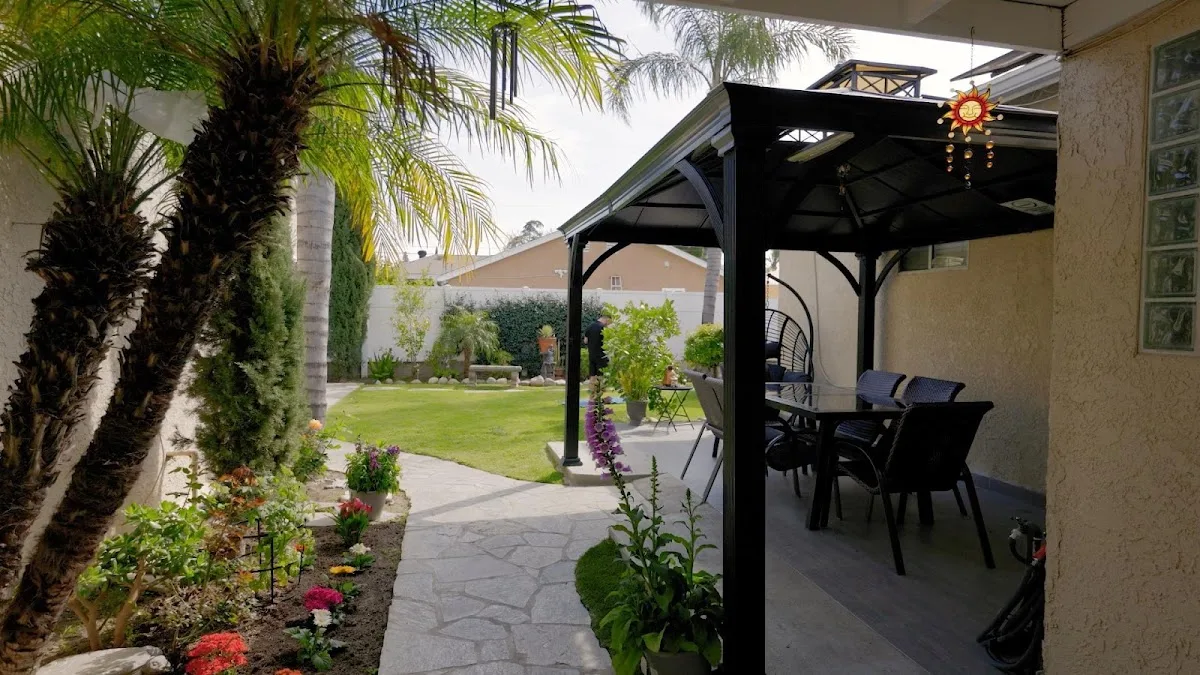
Sober living homes specifically for women in Malibu offer a supportive community for those transitioning from treatment back into everyday life. These homes provide:
- A safe and sober environment: Women can live with peers who understand and share similar experiences, fostering a sense of camaraderie and accountability.
- Life skills training: Many sober living homes offer workshops and resources to help women develop essential skills for independent living, such as budgeting, job searching, and self-care.
- Access to ongoing support: Residents often participate in group meetings and therapeutic sessions, ensuring continued support during their recovery journey.
Support Groups
Support groups are a cornerstone of recovery, providing women with a space to share their experiences, challenges, and triumphs. In Malibu, various support groups available include:
- 12-Step programs: Groups like Alcoholics Anonymous (AA) and Narcotics Anonymous (NA) offer a structured approach to recovery through shared experiences and accountability.
- Women-centered groups: These groups focus on the unique aspects of women's addiction and recovery, allowing participants to connect on a deeper level.
- Online support: For those unable to attend in-person meetings, virtual support groups provide flexibility and accessibility, ensuring that women can receive help wherever they are.
Local Malibu Resources
Malibu is home to several organizations and resources dedicated to supporting women in recovery, including:
- Malibu Recovery Center: Offers comprehensive treatment programs tailored for women, focusing on holistic healing and trauma-informed care.
- Women’s Recovery Network: A supportive community that connects women in recovery with local resources, support groups, and events.
- Malibu Family Services: Provides counseling and support for families affected by addiction, including programs specifically designed for women and their children.
In conclusion, women-specific addiction treatment resources in Malibu, CA, are designed to empower and support women on their recovery journeys. By addressing the unique challenges and experiences faced by women, these programs create a nurturing environment that fosters healing and growth. Whether through trauma-informed care, specialized programs for mothers, or supportive sober living homes, the resources available in Malibu serve as a beacon of hope for women seeking to reclaim their lives and embrace a brighter future.
Sober Network is a directory, not an intake form. Explore local facilities and contact providers directly.